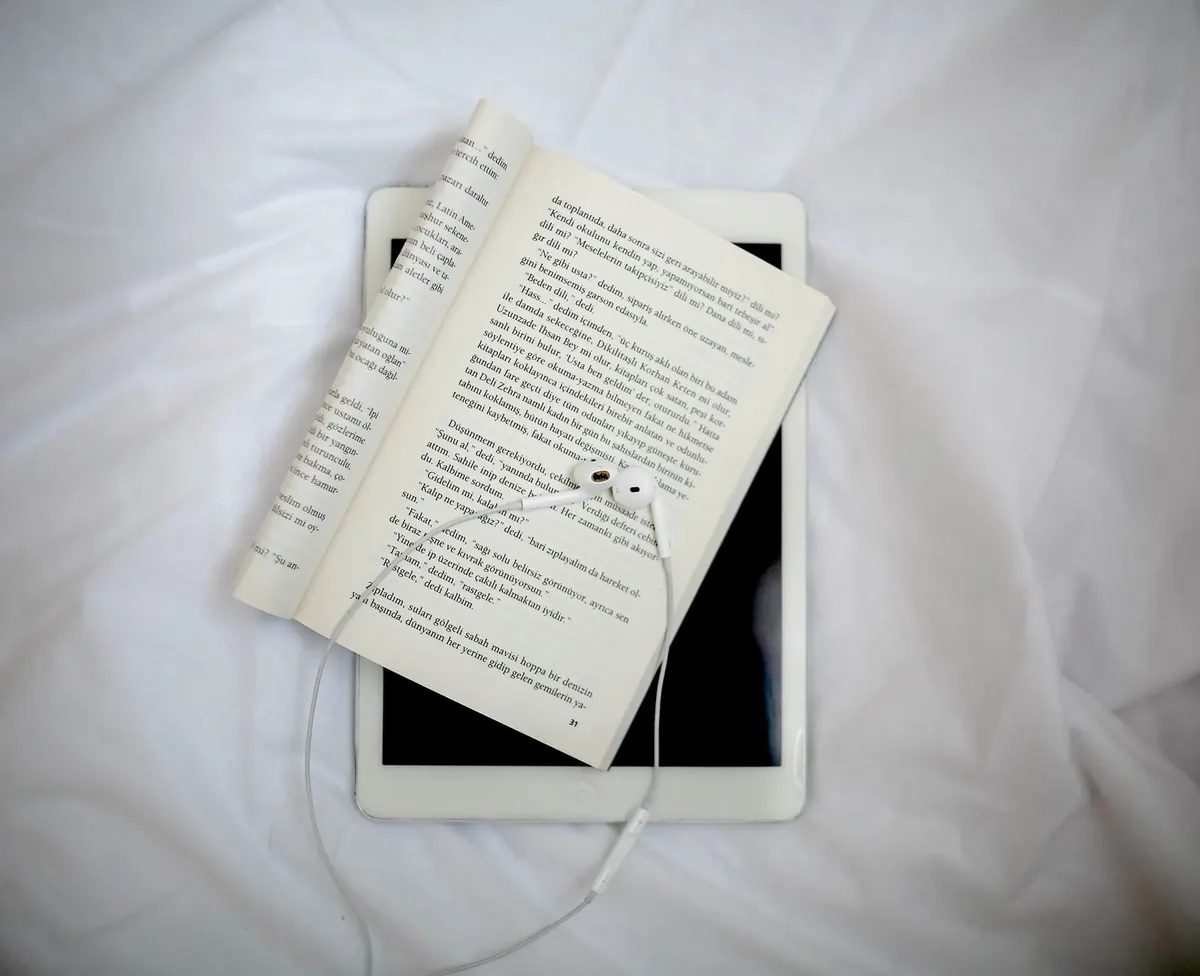
A friend presses a novel into your hands and says you have to read it. You look it up and find three editions waiting: a hardcover at full price, a paperback due in a few months, and an ebook that costs less than lunch. You choose one in about ninety seconds, and that small decision quietly shapes the next two weeks — how the book sits in your bag, whether you can scribble in the margin, whether the final chapter is comfortable at midnight.
There is no best format. There is a best format for the way you read a particular book. What follows is a practical comparison across the things that matter to someone who reads constantly: cost, portability, durability, annotation and comfort.
Cost: what you are actually paying for
A hardcover costs more because of how it is built. Sewn signatures, rigid boards, a paper jacket, heavier paper. It is usually the first edition as well, so part of the price is simply being early. The paperback arrives later, lighter and cheaper, with thinner paper and a glued spine. Neither is the lesser book. They are different budgets for the same text.
Ebooks sit at the other end, though the gap is not as wide as it once was. Some digital editions are barely cheaper than the paperback; others are a fraction of it. Library lending services are worth knowing about if you read a lot and resent paying full price for a book you will finish in four evenings.
The useful measure is not cover price but cost per hour of reading. A thick hardcover you will read twice and lend to three people is cheap at almost any price. A discounted paperback you abandon at page sixty is expensive.
A rough rule that holds up well: pay hardcover money for books you expect to revisit, buy paperbacks for curiosity, and use ebooks for volume, impulse and anything you would not clear shelf space for.
Portability: weight, pockets and charging cables
Hardcovers are the worst travel companions. A long novel in boards is heavy in a tote, awkward to hold one-handed on a crowded train, and needs a thumb hooked over the cover to stay open. They want a table.
Paperbacks are the travel format for a reason. A mass-market edition disappears into a coat pocket; a trade paperback is the sweet spot between readable type and a spine that survives a commute. The trade-off is the binding: bend a thick paperback back far enough and you will hear the glue start to give.
An ebook or e-reader carries an entire shelf in something the weight of a notebook, which matters most on long trips where you cannot predict your mood. Two frictions come with it. First, battery: running out mid-flight is a specific kind of frustration. Second, a phone full of notifications is not a reading environment, however good the screen. If you read on a phone, put it in a do-not-disturb mode before you open the book, not after.
One habit worth copying from heavy readers: keep a permanent paperback in your bag. Not a book you are excited about — a reliable one. It removes the decision and the charging cable from the equation.
Durability: what survives a decade
A sewn hardcover opens flat, holds its shape and will tolerate repeated reading better than anything else on this list. What fails is the jacket: tears at the corners, creases along the spine, eventually goes missing. Take it off while you read and the book underneath will outlast you.
Paperbacks are more fragile than they look. Glued spines crack, cheap editions shed pages, covers curl in a bag, and the paper yellows faster than hardcover stock, especially in sunlight. None of that ruins reading, but a paperback you love will eventually look like a paperback you loved.
Ebooks do not wear out. Devices do. A cracked screen, a soaked bag or a lost reader takes the whole library at once, which is the argument for buying from a store that syncs across devices and for keeping a backup of anything you have annotated heavily. It is also worth being clear with yourself that you are licensing a file rather than owning an object, and that the file is tied to a platform.
Annotation: pencil versus highlights
A pencil in a paperback is still the cheapest thinking tool in publishing. Underline, argue in the margin, star the passages you want to find again, and write a tiny index on the inside front cover — page number and three-word reminder — so you can locate the good parts later. It costs nothing and it makes the book yours.
Hardcovers often give you wider margins, but writing in an expensive book feels wasteful to many readers, and the jacket gets in the way until you remove it. The compromise: use sticky flags while reading, transfer the notes to a notebook afterwards if the book matters.
Digital annotation wins on retrieval. Highlights are searchable, exportable, unlimited in length, and impossible to lose in a move. It loses on browsing. Flipping through a marked-up paperback is a fast, physical act; scrolling a highlight list is not. And readers who remember where a passage sat — lower left of a right-hand page, three-quarters through — lose that cue entirely on a screen.
For anything you are studying, paper plus pencil is still hard to beat. For a book club where you need to find a quote in ten seconds, searchable highlights are better.
Reading comfort: hands, eyes and light
Comfort is the factor readers underestimate and then complain about. Hardcovers are a desk format; in bed they become a wrist exercise, and holding one open above your face is a short-lived pleasure.
Paperbacks are the most forgiving. One hand, folded back, curled into a sofa. The cost is typographic: tight gutters swallow the inner margin, and small type in a cheap edition gets tiring after an hour.
Ebooks let you set the type size, line spacing and warmth of the light, which is genuinely useful if standard print strains your eyes. E-ink is easier on long sessions than a phone; a phone is fine for short ones. Neither will fix a room with bad lighting, and neither is worth buying before you have tried adjusting the lamp.
If reading regularly gives you headaches, sore wrists or persistent eye strain, that is a conversation for an optometrist or doctor rather than another gadget purchase.
Matching the format to the book
The most reliable approach is to stop thinking of yourself as a hardcover person or an ebook person, and match the edition to the intended use.
- Reread and lend: hardcover. It survives the loan and looks like a gift when you give it away.
- One or two sittings, travel, waiting rooms: paperback. Cheap enough to leave on a train seat.
- Long histories and reference books you dip into: ebook. Search, dictionary lookup, and no weight in your bag.
- Anything you study: paper and pencil, with a notebook for the notes you will actually keep.
- Reading in bed at night: paperback, or an e-reader with a warm light so you are not waking anyone.
- Experiments and backlist titles: ebook or the library. Test the author before committing shelf space.
- Presents: hardcover, always. Nobody has ever been delighted by a gift card for a file.
A format mix that works
Before you buy, ask two questions. Will I want to reread, annotate or lend this? And where will I actually be reading it? If the answer is "on the sofa, once, probably" then the paperback is the sensible purchase and the hardcover is a treat you should buy knowingly. If the answer is "in fragments, on my phone, for the next two months" then the ebook will get read and the hardcover will not.
Buy the cheap edition of anything you are unsure about. You can always upgrade later if the book earns it, and a book you finished in paperback is a better object than a hardcover you never opened. Keep one shelf for the ones that earned the upgrade.
Photo: Melike B / Pexels